

Why Do Children Sleep With Stuffed Animals?
There is always that one toy. It’s neither about the expensive one nor the one that lights up or sings. The slightly worn one with a flattened ear and fur that used to be softer. The one that smells like home. I have seen kids walk into a room full of bright, new options and still ask for the same old bear. And if you try to swap it, even gently, that’s usually where problems start. Bedtime becomes a negotiation or a meltdown. Sometimes both. It looks small from the outside. It never is. The truth is, when people talk about children sleeping with stuffed animals, they often reduce it to “comfort.” That word is fine. But it is too neat and too tidy.
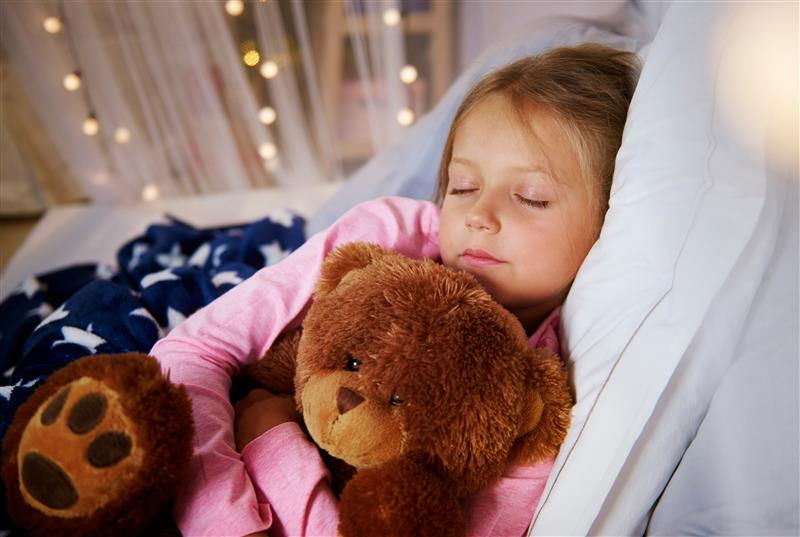
What’s happening is a little deeper than that.
It’s Not About the Toy. It’s About Control.
Children do not control much. Adults decide what time they sleep. What they eat. Where they go. Who they meet. Even what they wear on most days. Bedtime especially feels like surrender such as lights off, room quiet and door half closed.
That stuffed animal is one thing they choose. One thing that stays. I have watched kids grip their plush toy like it anchors them and in a way, it does. It is predictable. It does not argue. It does not leave the room when they are mid sentence. It just stays there, soft and steady.
What most people miss is that sleep can feel vulnerable even scary. The dark makes thoughts louder. Shadows look different. A familiar stuffed animal gives shape to the dark. It becomes a quiet companion.
A Small Body, Big Feelings
Children feel everything in large waves. A small disagreement at school, aloud noise, a parent coming home late. We brush these off as minor. They do not. At night, those feelings float back up. That is when the stuffed animal steps in. It becomes something they can project onto. They whisper to it, scold it and protect it. Sometimes they even blame it for things.
I have heard a child say, “He’s scared of the thunder,” while hugging the toy tighter. This is where it matters. The toy is not scared. The child is but saying it out loud directly can feel too exposed. So the feeling gets borrowed, shared and softened. However that makes it easier to fall asleep.
Routine Is a Quiet Superpower
Parents often underestimate routine or they overcomplicate it. The same story. The same light. The same stuffed animal tucked under the same arm. It is repetitive, yes. But repetition builds safety. When the day has been unpredictable, the night routine feels like a script they know by heart. Change the toy and you break the script.
I have seen families try to rotate plush toys so none of them “feel left out.” It sounds cute. It rarely works. Kids know which one is theirs. The favorite has history. It was there during fevers. During long car rides. During hospital visits sometimes. That history matters more than fluff.
It Is Also About Smell and Memory.
This part people do not talk about much. Stuffed animals hold scent. Not always in a way adults enjoy. But children recognize it instantly. It smells like their bed or house. Sometimes like a parent’s perfume or laundry soap. That scent signals familiarity. Eventually familiarity signals safety.
If you wash the toy too thoroughly, you might notice resistance. Not because the child is being difficult. Because the memory scent is gone. I have heard parents say, “It’s just a toy.”
Ultimately it is not just a toy. It carries invisible things.
When the Toy Is Missing
You really see the attachment when it disappears. Airports are where this becomes dramatic. One forgotten plush on a plane seat and suddenly the entire trip feels impossible. Tears that seem out of proportion. But the reaction is rarely about the cost of the toy. It is about losing something that helped regulate their emotions. That’s a big word, I know. But that’s what it is.
Without that object, the child has to manage the night alone. They are still learning how.
The Shift That Happens Over Time
Most children eventually stop sleeping with stuffed animals. Not because someone forces them. It just fades. One night the toy is beside them. Another night it stays near the pillow but untouched. Then it moves to a shelf. Later into a box. It is rarely dramatic.
The need changes as their sense of security changes. They build other anchors. Friends. Routines. Conversations. Their own thoughts become less overwhelming and that is good. But the years when they hold onto that stuffed animal are not weakness. They are rehearsing. Practice for soothing themselves.
That is something adults struggle with too, if we are honest.
What Happens to the Extra Toys?
Here is something people rarely think about. While one stuffed animal becomes a lifelong bedtime companion, others sit untouched in closets. Or are gifted without much thought. Or replaced because they are newer, cuter. This is where it gets interesting.
In many homes, there are bags of plush toys just waiting. Clean, gently used, still soft. They are not needed anymore in that house, but they could mean something in another. That is why a simple act like a stuffed toy donation can quietly change someone else’s bedtime story. It sounds small. It is not.
For a child in a shelter or hospital, receiving a soft toy is not about luxury. It is about ownership. Something that belongs only to them. Something that stays. The truth is, kids everywhere are wired the same. They crave familiarity. They need comfort objects. The difference is access.
This Is Where People Get It Wrong
Some adults try to rush children out of their attachment. They say things like, “You’re too big for that now.” Why? Security is not childish. We all have our versions. A favorite blanket. A side of the bed. A nightly routine with our phone before sleep.
We just call our habits. Children call theirs teddy bears. There is also a quiet beauty in passing that comfort forward. Families sometimes choose to donate stuffed toys when their child has outgrown them more like a milestone.
A gentle goodbye.
When those toys reach organizations like Ace of Hearts Project, they find their way to children who may not have had one before. That is the part that sticks with me. The idea that one child’s former comfort can become another child’s first. It makes you think differently about what sits in your closet.
Why It Stays With Us
If you ask adults about their childhood stuffed animals, many can describe them instantly. The color. The name. The missing eye. Memory holds onto those details for a reason. That toy was there during growing pains, literal and emotional. During nights when the world felt too big. During first fears and first dreams.
We forget many things from childhood. We do not forget the one that helped us sleep. Maybe that is the real answer to why children sleep with stuffed animals. It is not about fabric or stuffing. It is about having something steady when everything else feels new.
Sometimes that is all a child needs.
Something soft, familiar and something that does not leave when the lights go out. If that small comfort can travel from one home to another through a simple choice to donate soft toys, then maybe it is doing more work than we give it credit for. Not just helping children sleep but for helping them feel safe.

Comments