

Importance of Stuffed Animals in Child Development
Some things in childhood do not look important at first. A worn-out teddy bear. A stuffed dog missing one eye. A bunny that has been washed too many times.
To adults, these things look old, maybe replaceable. To a child, they are not replaceable at all. They are familiar. And familiarity, for a child, is everything.
Stuffed animals quietly become part of how children feel safe, learn emotions, and make sense of the world. It does not happen in a neat way. It happens in small moments. Before bed. During car rides. In waiting rooms. On days that feel confusing.
That is why they matter.
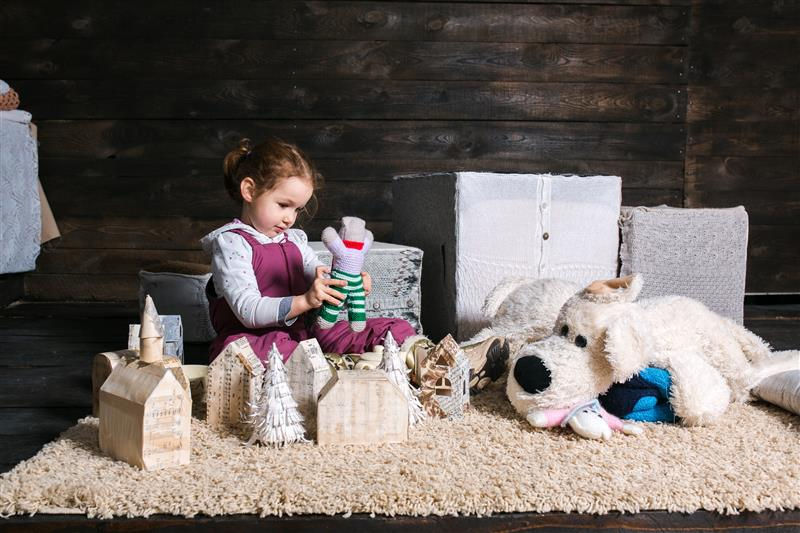
Why Stuffed Animals for Charity Truly Matter
Charity is often talked about in big numbers. But comfort is personal. One stuffed animal. One child. One moment of calm. Stuffed Animals for Charity initiatives help bring comfort to children who may not have access to toys of their own. These programmes make sure no child feels forgotten during difficult times.
It is easy to underestimate the power of small things. But for a child, small things often mean the most.
A soft toy can turn a hospital room into something less scary. It can make a shelter feel warmer. It can help a child sleep when sleep feels impossible.
That is real impact.
The comfort children do not know how to explain
Children cannot always say what they feel. Sometimes they just feel it. A stuffed animal gives them something steady when their emotions feel shaky. It does not ask questions. It does not expect answers. It just stays.
That matters more than it sounds.
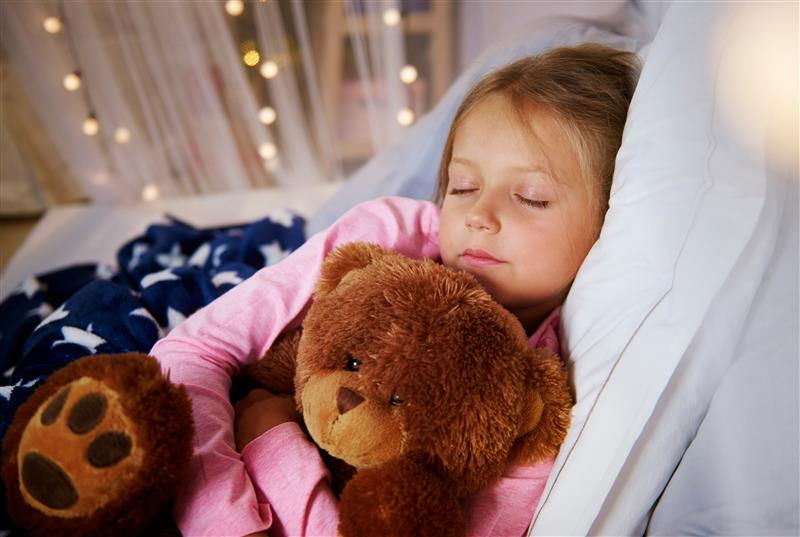
When a child hugs a stuffed toy, their body relaxes a little. You can see it. Shoulders drop. Breathing slows. It is a quiet kind of comfort.
Over time, this helps children learn that it is okay to calm down. That fear passes. That they are not alone, even when a parent is not right there.
This is one of the earliest forms of emotional support children experience.
A safe place for feelings
Stuffed animals hear things kids never say out loud around others. Sometimes a toy listens better than anyone else could.
Fear slips out before they can stop it. Moments of the day loop again without warning. Anger rises fast – just as quickly, it fades into something softer.
This isn’t childish fun. It’s how feelings get worked through.
Now here comes a toy, holding secrets too heavy for small hands. Talking to it helps sort out thoughts that tangle fast. The voice of calm begins to make sense over time. Safety gets easier to recognize when someone listens without answering back.
Now it's about learning kindness. Later, courage gets its turn.
However it goes, they’re still picking things up.
Learning empathy without lessons
Nobody sits a child down and teaches empathy with a lecture. It grows through play.
When children take care of stuffed animals, they are learning how to care for others. They pretend the toy is sick. Or sad. Or scared. And then they comfort it.
In doing that, they are learning how to recognise emotions and respond to them. This kind of learning sticks because it feels natural. It feels like play, not instruction.
Stuffed animals quietly help children become more emotionally aware, more patient, and more understanding.
Confidence grows when comfort is nearby
What catches attention is how comfort items work. These things give kids courage to try new challenges.
A toy tucked under a small arm can make strange rooms seem quieter. Trying something scary becomes possible when soft fur presses against a cheek. Staying past bedtime doesn’t feel so hard anymore. Tears slow down when fingers grip something familiar.
A favourite plaything helps link what feels safe inside to places still unknown beyond the door. Slowly, kids rely on it more rarely than before. This shift? Healthy progress. Their confidence builds without needing old anchors.
A toy animal wasn’t a burden. Instead, it pushed them ahead.
When life feels overwhelming for a child
Not every child grows up in calm or predictable spaces.
Some children spend time in hospitals. Some move through foster homes. Some live in shelters. Some face loss or illness far too early.
In moments like these, comfort is not optional. It is necessary.
This is where the donation of stuffed animals becomes incredibly meaningful.
When you donate toys to children’s hospital programmes or care centers, you are giving more than a toy. You are giving a moment of relief. A pause in fear. Something soft to hold onto when everything feels unfamiliar.
For many children, that stuffed animal becomes the one constant in a place full of change.
Giving also teaches the child who gives
There is another side to making donations for stuffed animals that often gets overlooked.
When children help donate their own toys, they learn something important.
They learn that kindness matters. That other children may be hurting. That sharing can help someone else feel better.
These lessons do not come from speeches. They come from action.
Letting a child choose a stuffed animal to donate helps them understand empathy in a real way. It becomes a memory tied to compassion.
And that stays with them.
How Ace of Hearts fits into this story
Ace of Hearts believes in care that feels personal. By supporting stuffed animal donation efforts and helping give gifts to paediatric hospital programmes and other care centers, Ace of Hearts focuses on emotional wellbeing, not just physical needs.
Each donated toy represents warmth, thoughtfulness, and connection. It represents someone saying, “You matter,” without needing words.
Ace of Hearts understands that child development is not only about learning skills. It is about feeling safe enough to grow. Stuffed animals for charitable purposes aligns naturally with that belief.
A few simple thoughts before donating
A fresh start matters when giving plush toys away. Toys should be free of dirt and easy to wash if needed. Any rips or missing parts mean they’re better left behind. Rules from clinics or aid groups exist for good reason; stick close to them.
This way, every plush toy gives ease instead of worry.
Not a single kid should miss out on a gentle thing to clutch, safe and sound.
Closing Thoughts
A toy might look small next to everything else that fills a day. Still, during early years, its weight can be surprisingly heavy.
Safe feelings start here for kids. Understanding emotions grows easier because of these. Comfort appears even if talking fails. Children needing it most get reached when others pass them along.
Because of help from Ace of Hearts, these little friends keep changing kids’ days in soft ways. Quiet moments add up when care shows up without noise. Small actions grow into something steady over time. A presence matters more than a plan ever could.
Healing can come from a quiet moment. Growth might show up in a gentle touch.

Comments